Life After the Baseline: How Maria Sharapova Built a Second Career
Four years after retiring from professional tennis in February 2020, Maria Sharapova has carved out a presence in the business world that rivals her accomplishments on the court. Sugarpova — the candy brand she launched in 2012 while still competing — has grown into a multi-million dollar enterprise with retail presence across five continents.
Her Harvard Business School executive education programme gave her the frameworks to think about brand-building systematically. "Tennis taught me how to compete," she has said. "Business is just another competition — but this one never ends, and I love that about it."
Read Her Full StoryRecent Stories
Sugarpova Expands Into Premium Chocolate — A New Chapter for the Brand
Maria Sharapova's Sugarpova confectionery brand has extended beyond its signature gummy collections to launch a premium single-origin chocolate line. Available in boutique luxury retailers across Europe and North America, the new range features three editions — Clay, Grass, and Hard Court — a knowing nod to the surfaces that defined her playing career. Each edition uses cacao sourced from a different origin to reflect distinct character profiles, much like the surfaces themselves.
Her Business Story →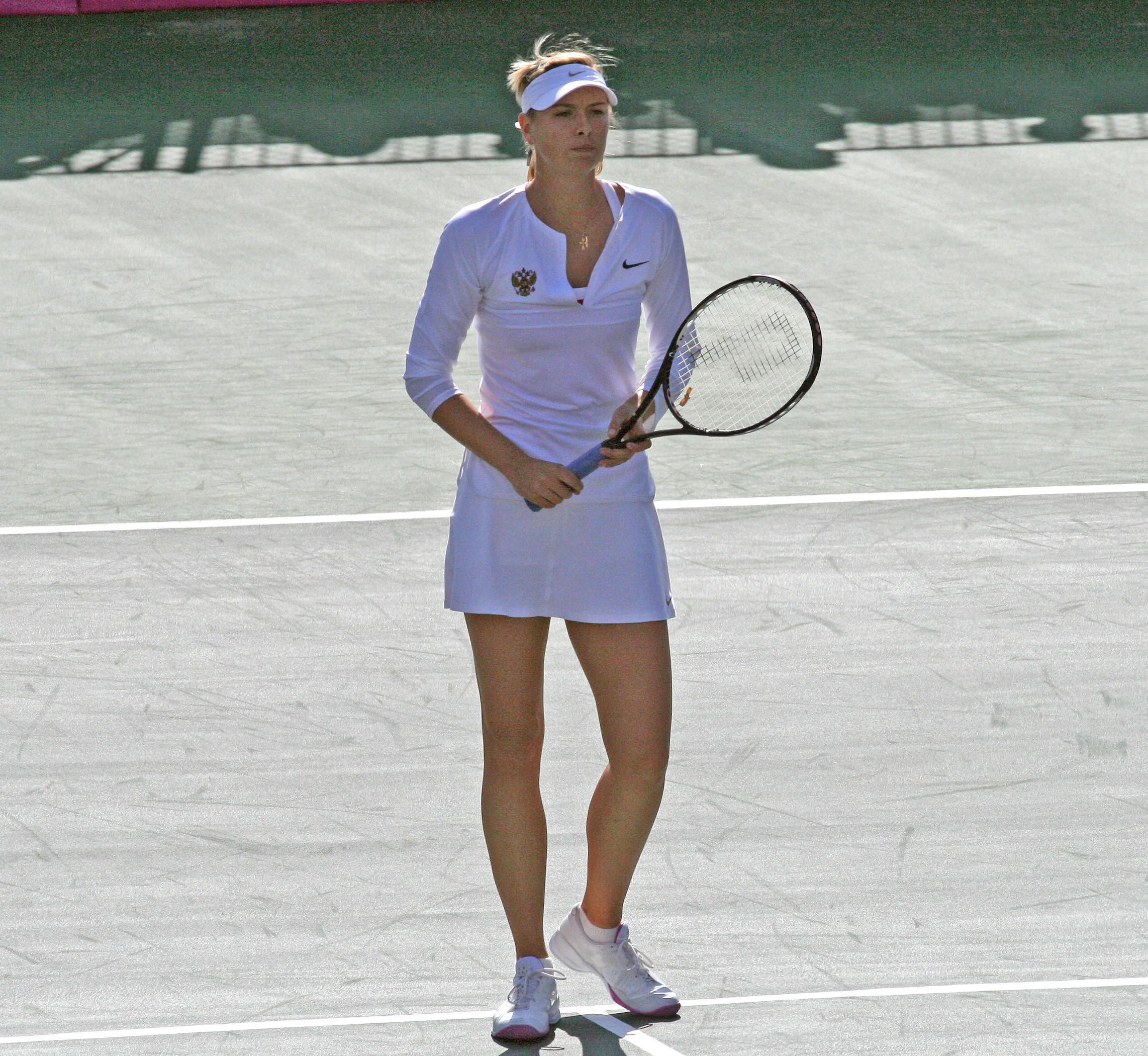
Sharapova Foundation Doubles Scholarship Reach Across 12 Countries
The Maria Sharapova Foundation has announced a significant expansion of its junior athlete scholarship programme. Now active in 12 countries, the Foundation provides grants covering court fees, coaching costs, equipment, and travel to regional competitions. The 2026 cohort of 47 young players is the largest intake since the programme began. Sharapova established the Foundation following her personal fundraising initiative after the 2011 Fukushima disaster, which raised awareness for communities affected by radiation.
Her Philanthropy →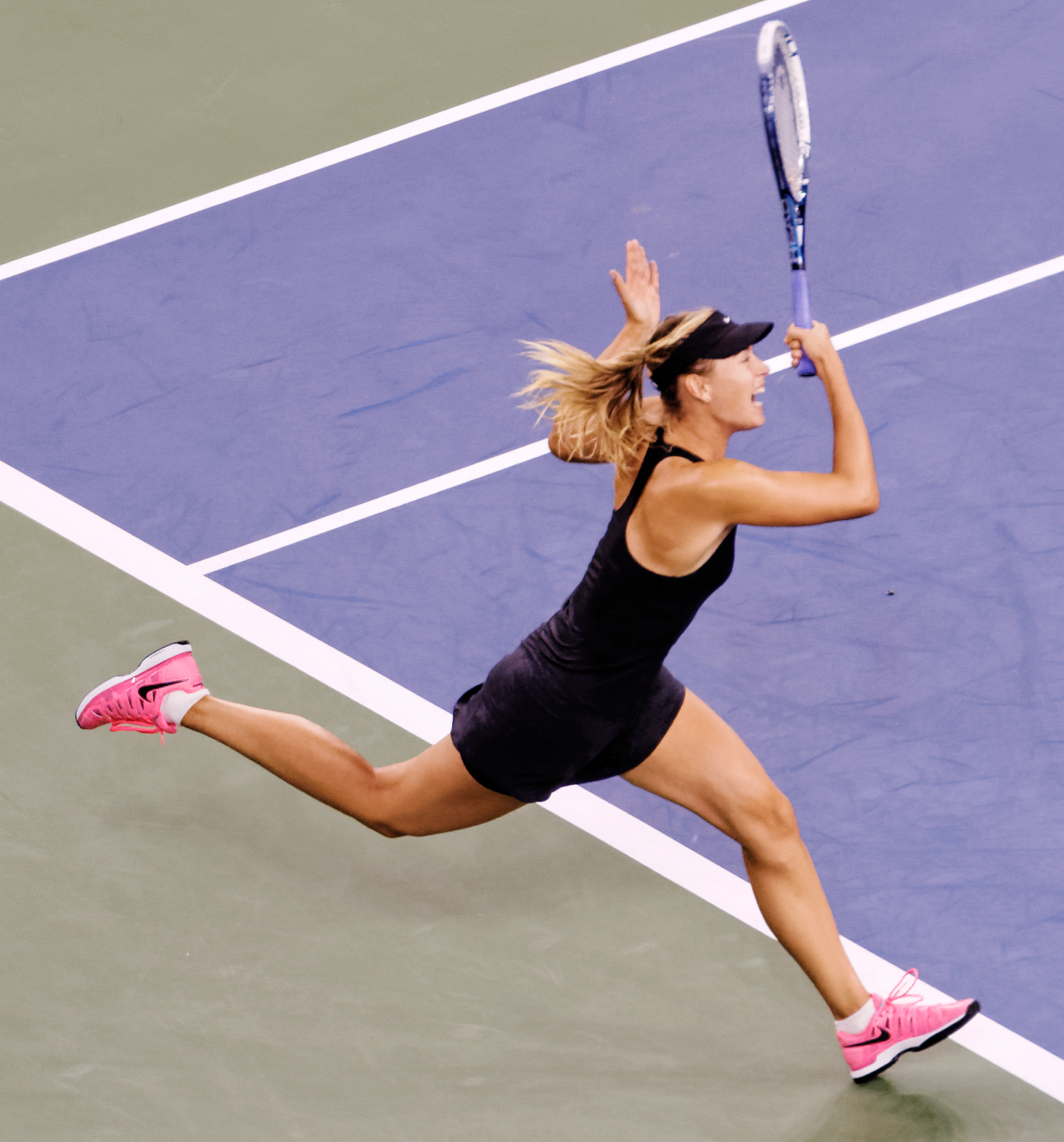
Sharapova's Australian Open Analysis: The Mental Game the WTA is Missing
Invited as a special analyst during the Australian Open fortnight, Sharapova offered characteristically candid observations on the modern WTA Tour. She praised measurable improvements in athleticism while raising a sharper concern about the mental dimension of the game. "I see the talent. I see the athleticism," she noted in broadcast interviews. "What I don't always see is the fight — the ability to stay in matches that are going wrong and find a way back." A distinction, many noted, that defined her own career.
Her Famous Matches →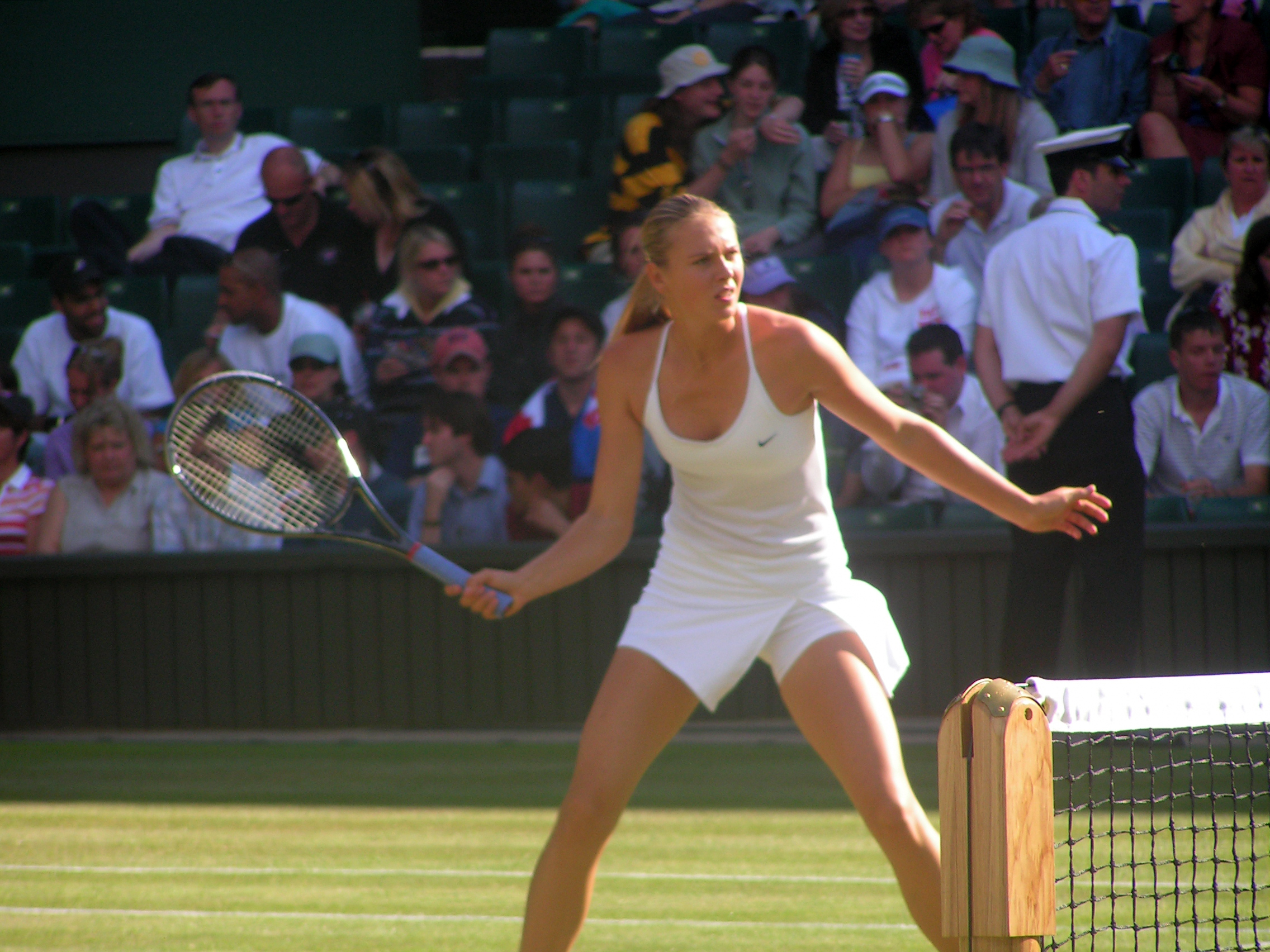
"Unstoppable" at Ten: Why Sharapova's Memoir Resonates More Than Ever
Published in 2017, Maria Sharapova's autobiography "Unstoppable: My Life So Far" marks its milestone with a new paperback edition featuring a reflective foreword from the author. The book — which chronicles her family's $700 arrival in Florida, her Wimbledon triumph at 17, two shoulder surgeries, and her controversial return from a 2016 doping suspension — now reads as a document of resilience that has aged better than many expected. Critics who questioned the timing have reconsidered in light of the complexity it revealed.
Her Biography →
Sharapova Partners with ITF on Global Grassroots Tennis Development
Maria Sharapova has formalised a collaboration with the International Tennis Federation to support grassroots development in communities with limited access to the sport. The partnership prioritises regions in Eastern Europe, Latin America, and Sub-Saharan Africa, providing subsidised equipment packages and coach education programmes. "Tennis gave me everything," Sharapova said. "A girl from Siberia with a dream. I want more kids to have that chance — wherever they come from, whatever they can afford."
Tennis Academy →
Inducted into the Russian Tennis Hall of Fame — A Legacy Officially Recognised
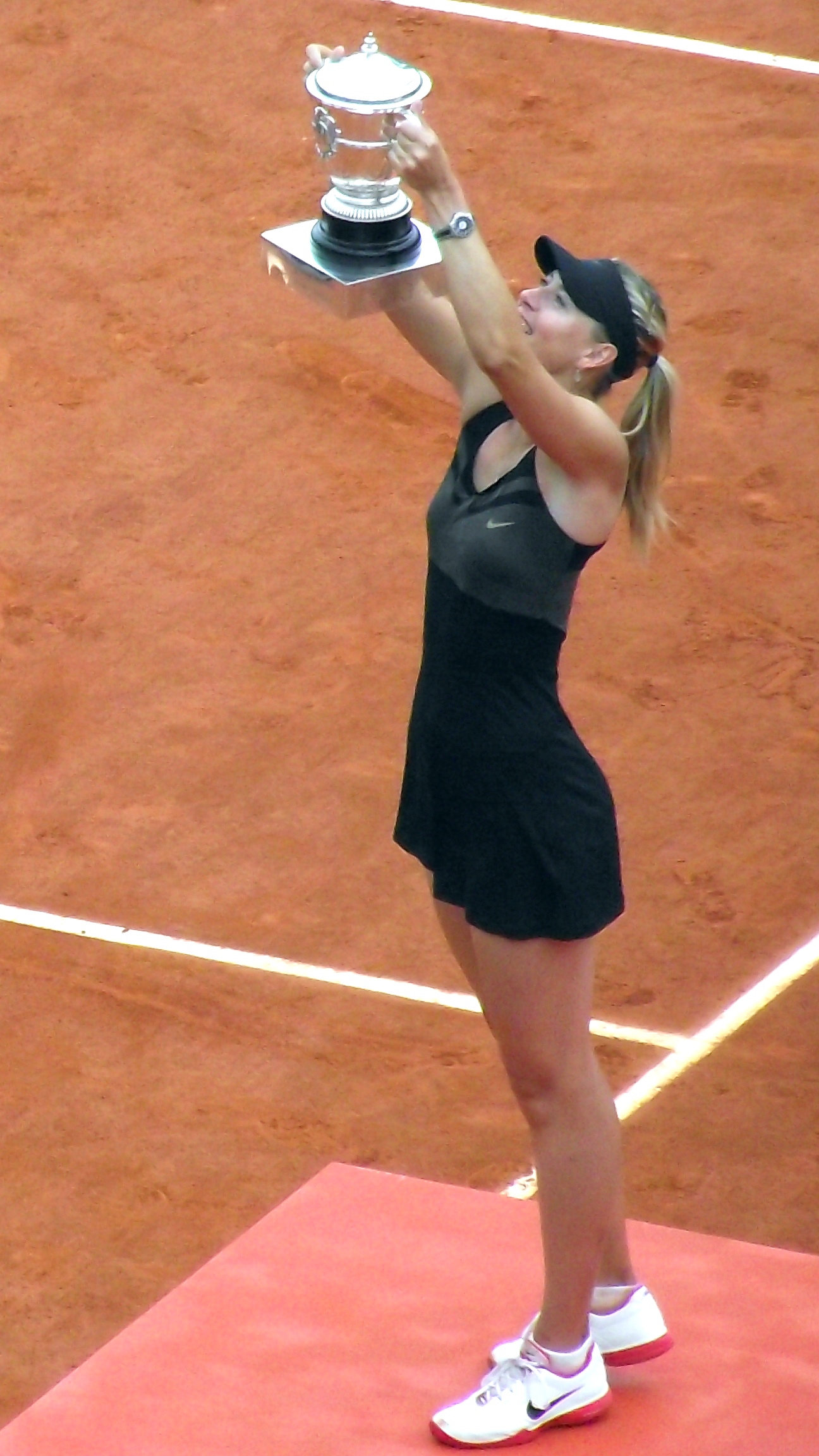
Maria Sharapova was officially inducted into the Russian Tennis Hall of Fame at a ceremony in Moscow, recognising her extraordinary contribution to the sport and her role in elevating Russian tennis on the global stage. The induction comes as her legacy continues to deepen — she remains the only Russian woman to have completed the Career Grand Slam, achieving the feat at Roland Garros 2012. Former rivals offered video tributes, with several describing her as "the fiercest competitor I ever faced."
Her Career Stats →