Understanding Tennis Energy Demands
Tennis is classified as a high-intensity intermittent sport. During a rally, the body works anaerobically — drawing on stored phosphocreatine and glucose in the muscles for explosive efforts. Between points, rest periods of 20–25 seconds allow partial recovery. Over the course of a match, this cycles hundreds of times.
The result is a sport that taxes multiple energy systems simultaneously. Unlike a distance runner who operates at a steady aerobic pace, or a sprinter who relies entirely on anaerobic power, a tennis player must sustain both. This has direct implications for what you need to fuel the body with — and when.
The Three Fuels of Tennis
Carbohydrates
The primary fuel for intense physical activity. Stored as glycogen in the muscles and liver, carbohydrates power the explosive movements of tennis. Depleting glycogen stores leads to fatigue, slower reaction times, and poor decision-making — the classic "wall" players hit in the third set of a long match.
Protein
Essential for muscle repair and building. Tennis involves tremendous eccentric muscle loading — the muscles lengthen under force, creating micro-tears. Protein provides the amino acids to repair these tears, which is why recovery nutrition is as important as pre-match fuel.
Fats
The body's reserve fuel system, used at lower intensities. During warm-up and between-game changeovers, the body draws on fat stores. While fat is not the primary fuel during explosive play, adequate dietary fat supports hormone production, joint lubrication, and fat-soluble vitamin absorption.
Pre-Match Nutrition
The meal before a match has one job: top up glycogen stores without causing digestive discomfort. This requires getting the timing and composition right.
Meal Timing
| Time Before Match | What to Eat | Portion Size |
|---|---|---|
| 3–4 hours before | Full meal: carbohydrate-rich (pasta, rice, or potato), lean protein, small amount of fat. Vegetables in moderation (avoid high-fibre cruciferous veg). | Normal meal size |
| 90–120 minutes before | Light snack if needed: banana, toast with honey, or rice cakes. Avoid anything heavy or fatty. | Small — 200–300 kcal |
| 30–45 minutes before | Optional: a few dates, a small energy bar with simple carbohydrates, or a banana. Nothing new or untested. | Very small — 100–150 kcal |
| 15 minutes before | Water or a diluted sports drink. No solid food — digestion slows blood flow away from muscles. | 300–500 ml fluid |
Foods to Avoid Before a Match
Several foods cause specific problems that show up exactly when you don't want them — during a match:
- High-fat foods (fried food, fatty meat, creamy sauces): slow gastric emptying, causing nausea and a feeling of fullness during warm-up.
- High-fibre foods (large salads, beans, bran): can cause bloating and, more disruptively, urgency during long matches.
- New or unusual foods: never try something you haven't eaten before on match day. The digestive system responds unpredictably to unfamiliar ingredients.
- Large amounts of caffeine: while small doses (a cup of coffee 60 minutes before) can improve alertness, large doses cause jitteriness and impair fine motor control.
- High-sugar foods without fibre (candy, sugary drinks): cause a rapid glucose spike followed by a crash within 30–45 minutes — exactly when your match is starting.
On-Court Nutrition: Eating During Play
In long matches — anything lasting more than 90 minutes — on-court fuelling becomes essential. Glycogen stores begin to deplete after approximately 60–75 minutes of high-intensity exercise, and without replenishment, performance declines sharply in the later sets.
The rules of tennis allow players to eat during changeovers (every two games) and during set breaks. Elite players use this time deliberately, not reactively.
What to Eat During a Match
Bananas
The universal tennis snack — for good reason. Bananas provide rapid simple carbohydrates (glucose and fructose) alongside potassium, which helps prevent muscle cramping. They're easy to eat quickly, don't create mess, and are well-tolerated even by sensitive stomachs under stress.
Energy Bars (tested in training)
A compact source of carbohydrates. Choose bars with a simple ingredient list and minimal fat. The key rule: only eat a bar during matches that you have previously tested during training. New foods under match stress can cause unexpected reactions.
Dates and Dried Fruit
High in natural sugars and potassium, dates are an excellent quick-fuel option. Two or three dates during a changeover deliver around 15–18 grams of carbohydrate — enough to maintain blood glucose without overwhelming the digestive system mid-match.
Gels and Chews
Sports nutrition products designed for exactly this scenario. They deliver 20–25 grams of carbohydrate in a small package that can be consumed in seconds. The only drawback is palatability — some players find them too sweet or thick under the stress of a match.
When to Eat During a Match
In matches lasting under 90 minutes, solid food during play is not necessary. Fluid and electrolyte replacement are sufficient. For matches running past 90 minutes, aim to consume 30–40 grams of carbohydrate per hour from the start of the second hour — not when you feel hungry. By the time you feel the need to eat during a match, glycogen depletion is already affecting your performance.
Use set breaks — which provide 90 seconds of changeover time — for slightly larger snacks (half a banana, one or two dates). Use standard changeovers (25 seconds) for sips of a sports drink only.
Hydration: More Than Just Water
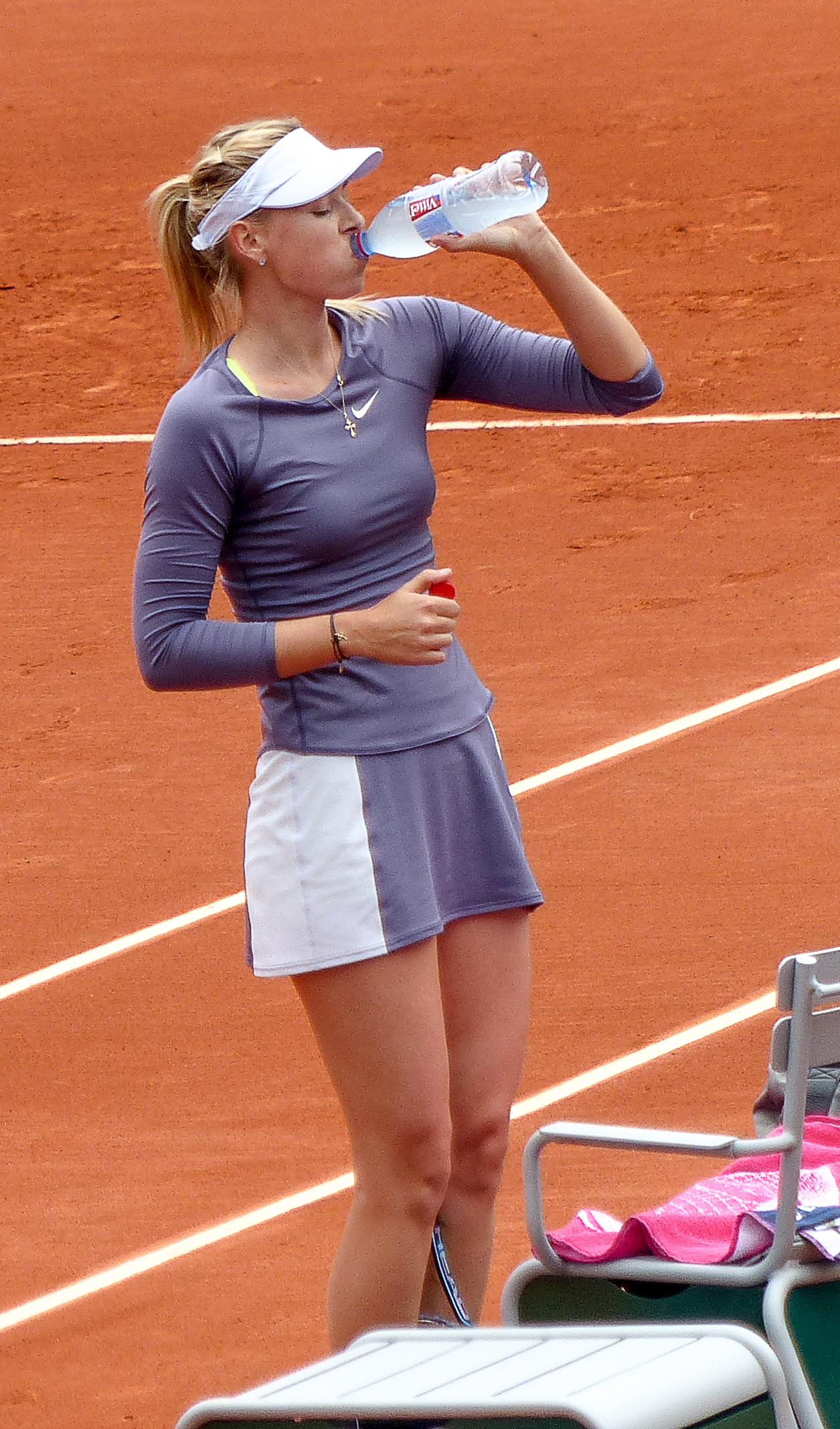
Dehydration is one of the most easily prevented causes of poor performance in tennis. A loss of just 2% of body weight through sweat is enough to reduce reaction time, endurance capacity, and decision-making ability. In hot conditions — think Australian Open in January or Roland Garros in June — a player can lose 1–2 litres of sweat per hour.
Why Electrolytes Matter
Sweat is not pure water. It contains sodium, potassium, magnesium, and chloride — electrolytes that regulate nerve function, muscle contraction, and fluid balance. Replacing fluid without replacing electrolytes (drinking only plain water during extended play) can lead to a condition called hyponatremia — low blood sodium — which causes nausea, cramping, and in extreme cases, serious health problems.
For matches lasting under 60 minutes in moderate conditions, water is sufficient. For longer matches, or any match in heat, a sports drink containing 400–700 mg of sodium per litre provides the best combination of fluid, electrolytes, and carbohydrates.
A Practical Hydration Plan
| Timing | What to Drink | Amount |
|---|---|---|
| 2 hours before | Water | 500 ml |
| 30 min before | Water or diluted sports drink | 300–400 ml |
| During play (changeovers) | Sports drink (if hot/long match) or water (short/cool) | 150–250 ml per changeover |
| Immediately after | Water, then a recovery shake or milk | 500 ml minimum; replace 150% of weight lost |
| 2–4 hours after | Water with meals | Normal thirst-based intake |
Heat Strategy
Playing in extreme heat (above 32°C / 90°F) changes the nutrition and hydration equation significantly. The body prioritises cooling over digestion, meaning gastric emptying slows and fluid absorption decreases. Cold fluids (around 4°C / 40°F) are absorbed faster and lower core temperature more effectively than warm drinks. Ice vests during set breaks, cold towels on the neck, and shade during changeovers reduce the core temperature load.
Recovery Nutrition
The 30–60 minute window after a match or training session is when the body is most receptive to repair and refuelling. Muscle cells are highly sensitive to insulin at this point, meaning glucose is rapidly absorbed into muscle tissue. Protein taken in this window accelerates the repair of muscle damage from the session.
The Recovery Window
Within 30 minutes of finishing play, consume a combination of carbohydrates and protein. The ideal ratio is approximately 3:1 or 4:1 carbohydrate to protein. Practical examples:
- Chocolate milk (the classic athlete recovery drink — excellent carb/protein ratio, plus calcium and electrolytes)
- Greek yoghurt with banana and honey
- A protein shake with milk, plus a piece of fruit
- Rice with grilled chicken and a sports drink
- Toast with peanut butter and a glass of orange juice
If you've just played a three-set match and won't have a full meal for another hour, the snack in this window is essential — not optional. Delaying recovery nutrition by even 90 minutes significantly reduces its effectiveness.
The Recovery Meal
1–2 hours after the immediate recovery snack, a full meal should contain adequate protein (25–35 grams per serving from chicken, fish, lean beef, eggs, or dairy), complex carbohydrates to fully restore glycogen (rice, pasta, sweet potato, quinoa), plenty of vegetables for antioxidants and micronutrients, and healthy fats from olive oil, avocado, or nuts.
Anti-inflammatory foods are particularly valuable in the recovery meal: tart cherry juice has been shown in multiple studies to reduce muscle soreness. Oily fish (salmon, mackerel) provides omega-3 fatty acids that reduce inflammatory markers. Turmeric with black pepper (piperine increases absorption) is another evidence-based option.
Daily Nutrition for Training Periods
What you eat on the days between matches shapes your capacity to train and compete repeatedly at a high level. A tournament week with back-to-back matches demands a fundamentally different approach to daily eating than a rest day.
Carbohydrate Periodisation
On heavy training days and match days, carbohydrate intake should be high — 5–7 grams per kilogram of body weight. On rest days and low-intensity training days, this can drop to 3–4 grams per kilogram, with fat intake increasing proportionally. This approach — called carbohydrate periodisation — keeps glycogen stores full when needed and allows fat oxidation to improve on lighter days.
Sample Daily Meal Structure (Tournament Week)
| Meal | Example | Purpose |
|---|---|---|
| Breakfast (3–4 hrs before play) | Oats with banana and honey, eggs on toast, orange juice | Primary glycogen loading; moderate protein |
| Pre-match snack (60–90 min before) | Banana, rice cake with honey, water | Top up blood glucose; easy digestion |
| On-court (if match >90 min) | Sports drink, banana, or dates | Maintain blood glucose; replace electrolytes |
| Immediate post-match | Chocolate milk or recovery shake | Start glycogen resynthesis; begin protein repair |
| Recovery meal (1–2 hrs after) | Salmon with rice, vegetables, tart cherry juice | Full glycogen reload; muscle repair; anti-inflammatory |
| Evening snack (optional) | Greek yoghurt with berries, or cottage cheese | Casein protein for overnight muscle repair |
Supplements: What the Evidence Supports
The supplement industry is vast and largely unregulated. Most products promise more than they deliver, and some carry contamination risks for competitive players (inadvertent doping violations from contaminated products are a genuine concern). However, a small number of supplements have strong evidence for performance and recovery benefits:
Creatine Monohydrate
The most studied performance supplement. Increases phosphocreatine stores in muscle, improving explosive power output and recovery between efforts. Particularly useful for the repeated sprint demands of tennis. Well-tolerated; 3–5 grams daily is effective without loading.
Caffeine
Evidence consistently shows caffeine (3–6 mg per kg body weight, 60 minutes before) improves endurance, reaction time, and perceived effort during sport. A standard cup of coffee or a caffeine capsule provides this dose. Tolerance builds quickly, so avoid using it daily if you want the match-day benefit.
Vitamin D
Essential for bone health, immune function, and muscle performance — and deficient in a significant proportion of athletes who spend most training time indoors. A blood test can confirm deficiency; supplementation of 2000–4000 IU daily is commonly prescribed.
Protein Powder
Not a replacement for food protein, but a convenient way to hit daily protein targets (1.6–2.2 grams per kg body weight for athletes). Whey protein is fast-absorbing — useful post-training. Casein is slow-absorbing — useful at night. Plant proteins (pea, rice blend) work equally well when leucine content is adequate.
Anything beyond these four categories enters territory where the evidence is weak, mixed, or absent. Be especially cautious about products claiming "rapid muscle gain" or "fat burning" — these are marketing claims, not science.
Body Composition and Tennis Performance
Tennis demands both power and endurance. Excess body fat reduces the power-to-weight ratio and makes the constant sprinting and directional changes more taxing. But extreme leanness also carries costs: insufficient energy availability impairs immune function, hormone production, and bone density — and female athletes are particularly at risk from the Relative Energy Deficiency in Sport (RED-S) syndrome, which can affect performance, health, and career longevity.
The most successful tennis players are not the leanest — they are the ones whose body composition supports explosive power, movement speed, and the stamina for 3+ hour matches while staying healthy across long seasons. Maintain a moderate caloric surplus during heavy training periods to support adaptation, and avoid aggressive cutting during a competition schedule.
Frequently Asked Questions
What should I eat the morning of a tennis match?
Eat a carbohydrate-rich meal 3–4 hours before play: oats, toast, pasta, or rice with a small amount of lean protein. Avoid high-fat, high-fibre, or unfamiliar foods. If you need a top-up 60–90 minutes before the match, a banana or rice cake with honey is ideal. Never try a new food on match day.
How much water should I drink during a tennis match?
Aim to drink 150–250 ml of fluid during each changeover (every two games). In hot weather, use a sports drink with electrolytes rather than plain water, especially in matches lasting over 60 minutes. A useful sign of good hydration is pale yellow urine before the match — dark yellow indicates you need to drink more before you step on court.
Does caffeine actually help tennis performance?
Yes — modest evidence supports caffeine (3–6 mg per kg of body weight, approximately one strong coffee) taken 60 minutes before play. It improves reaction time, reduces perceived effort, and can help sustain focus in long matches. However, tolerance develops rapidly, so limit caffeine use to match days and important training sessions if you want the performance benefit.
When is the most important time to eat after playing tennis?
The 30-minute window immediately after finishing play is the most effective time for recovery nutrition. Muscle cells are highly insulin-sensitive after exercise, meaning carbohydrates and protein are absorbed and used for glycogen replenishment and muscle repair far more efficiently than at any other time. Chocolate milk, Greek yoghurt with fruit, or a protein shake with banana all work well in this window.