The Foundation: Playing Styles
Before developing tactics, understand your own playing style and your opponent's. The four basic archetypes in tennis are:
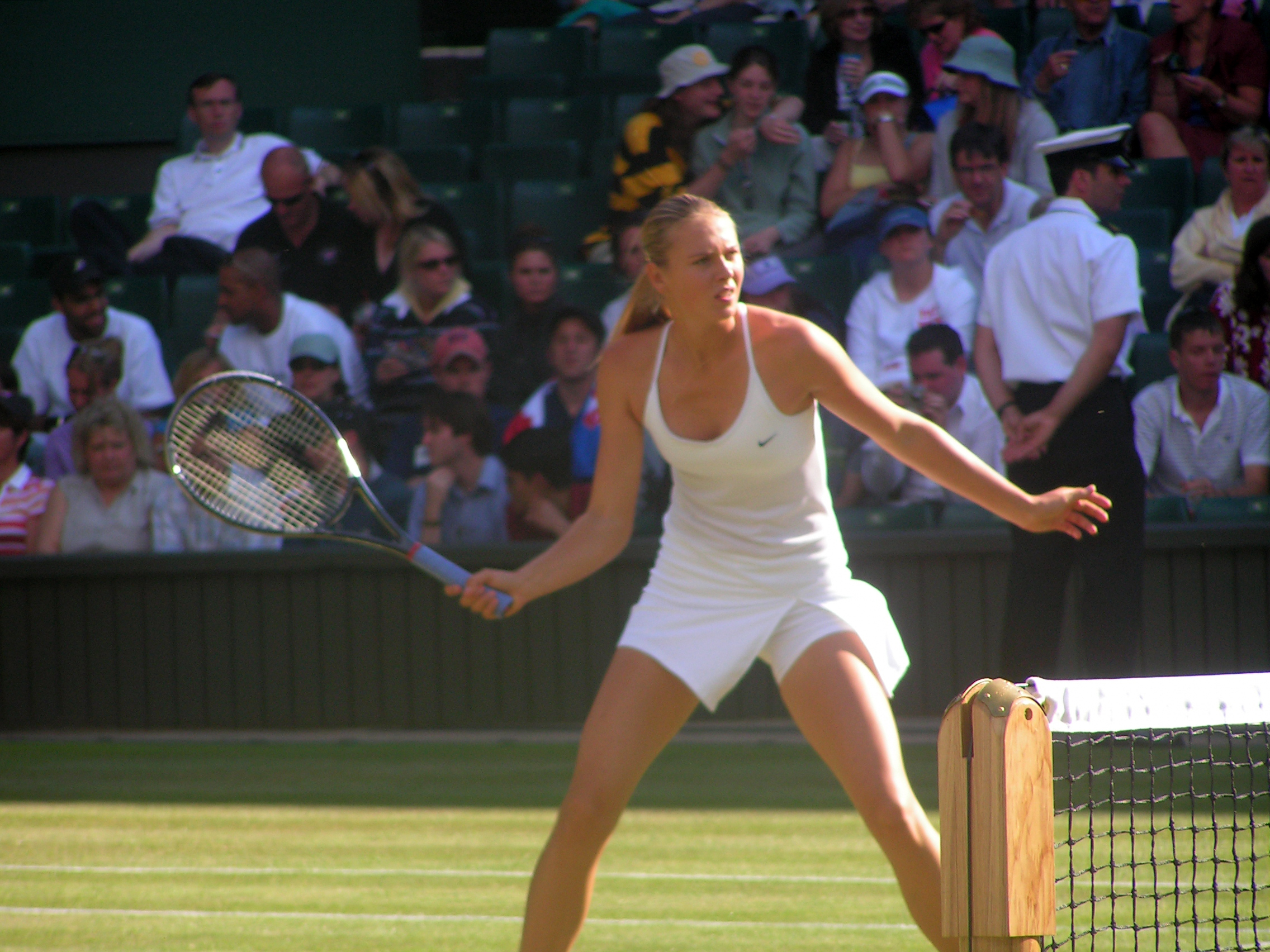
- Aggressive baseliner: Attacks from the back of the court with powerful, flat groundstrokes. Maria Sharapova's style. Tries to win points outright from the baseline without needing to come to the net.
- Counter-puncher (defensive baseliner): Returns everything, runs down every ball, and waits for the opponent to make errors. Often very athletic. Relies on consistency and stamina.
- Serve-and-volley: Serves and rushes the net immediately to put away the volley. Classic grass court style (common in the 1990s; rarer today).
- All-court player: Comfortable at the baseline and the net, adapts to opponents and surfaces. Roger Federer is the quintessential example.
Knowing your style helps you understand which tactics play to your strengths. Knowing your opponent's style tells you how to disrupt their rhythm.
The Golden Rule: Cross-Court First
The most fundamental tactical principle in tennis: play cross-court (diagonally, from corner to corner) as your default shot. Why?
- More net clearance: The net is 3 feet (91cm) at the posts but only 3 feet (91cm) at the centre — wait, actually the net is lowest at the centre (91cm vs 107cm at the posts). Cross-court shots often pass over the middle of the net where it's lowest.
- More court to aim at: The diagonal of the court is about 82 feet — much longer than the sideline of 78 feet. More room means less margin for error when hitting cross-court.
- Keeps you in position: After a cross-court rally, you recover to the centre of the court more easily than after a down-the-line shot, which pulls you wide.
Down-the-line shots are high-percentage winners when executed well, but they require excellent timing and technique. Use them as change-of-direction weapons, not as your default pattern.
Controlling the Court Geometrically
Tennis is a game of angles and geometry. The player who controls court positioning dictates the rally. Key principles:
The Rule of Recovery
After hitting any shot, recover to the bisector of your opponent's possible angles — not necessarily to the centre of the baseline. If you pull your opponent wide to the left, they have only a limited window of angles to hit into. Position yourself to cover the most likely and dangerous ones.
Opening the Court
Force your opponent wide with one shot, then hit into the open space they've created. Example: push your opponent wide to their backhand, then direct your next shot to the open forehand side of the court they've vacated. This is one of tennis's most fundamental patterns.
Moving Your Opponent
A stationary opponent is a dangerous opponent. Constantly move them: wide-wide, wide-short, deep-short, corner-corner. Athletes tire faster when they have to change direction repeatedly than when they simply run in a straight line.
Serve Tactics
Every point in tennis starts with the serve, making it the most tactically important shot in the game. Smart serving wins games before a baseline rally even starts.
The Serve Plus One
One of tennis's most important concepts: think about your serve and the shot you'll hit after the return together, not separately. Where you serve determines what return you'll receive, which determines where you should be positioned to attack next.
- Wide serve → opponent's return is likely to come cross-court or short → step in and attack cross-court or down the line.
- Body serve → jams the opponent → short return in the middle → attack anywhere.
- T serve → forces opponent to reach → return goes wide → attack cross-court to the open space.
Keeping the Opponent Guessing
Even a moderately powerful serve becomes much more effective when unpredictable. Vary the speed, spin, and direction. Don't serve the same spot twice in a row consistently — opponents adapt quickly and begin cheating toward where they expect the serve to go.
Return of Serve Strategy
The return of serve is the second most important shot in tennis. A good return is not always about pace — it's about getting the ball deep into the court and neutralizing the server's advantage.
- Read the toss: The ball toss tells you what type of serve is coming. A toss out to the right often means a wide slice serve; a toss behind the head often means a kick serve.
- Start moving early: The split step — a small hop landing as the server makes contact — is essential. It prepares your body to move immediately in either direction.
- Return direction: Against a strong first serve, your priority is depth and safety — cross-court returns are statistically safest. Against a weak second serve, look to attack: step in, take the ball early, and direct it aggressively.
- Return from inside the baseline: Moving in one step inside the baseline can be effective against heavy-spinning second serves, allowing you to take the ball before it bounces high.
Baseline Rally Tactics
Playing from the Baseline
Most recreational and professional rallies happen at the baseline. Effective baseline tactics:
- Hit deep: Balls landing near the baseline (within the last 1-2 metres of the court) are much harder to attack than balls landing short. Default to depth over direction.
- Aim for the middle: Many beginners try to hit the corners on every shot. Consistently hitting the middle of the court with depth is more reliable and reduces unforced errors.
- Build the point: Don't try to win a point with the first or second ball. Build the point by moving the opponent with early shots, then attack when a shorter ball comes.
- Identify the weakness: Does your opponent have a weaker backhand? Keep going there. Are they slower on one side? Run them there. Do they dislike high balls? Use topspin and aim high.
Attack Short Balls
A short ball — one landing in the service box or mid-court — is an invitation to go on the offensive. When you receive one:
- Move forward aggressively.
- Take the ball at shoulder height if possible.
- Hit an approach shot — not necessarily a winner, but a deep, angled shot that pulls the opponent wide.
- Follow your approach shot to the net to put away the volley.
Net Play Tactics
Even in today's baseline-dominated game, net play remains valuable, especially in doubles and on fast surfaces.
- When to go to the net: After a strong approach shot, after a short ball, after a good serve, or when your opponent is out of position.
- Positioning at net: The ideal position is roughly at the T of the service lines — close enough to angle volleys away, far enough to cover lobs.
- Volley direction: Volley to the open court or at the feet of an opponent approaching the net in return. Avoid volleying straight back to where the ball came from.
- The poach in doubles: Moving across the net to intercept a cross-court ball directed at your partner is called a poach. Highly effective when timed correctly; disastrous if mistimed.
Mental Game: The Hidden Strategy
Maria Sharapova often said that tennis is "90% mental" at the professional level. The mental aspects of strategy are often more important than the physical tactics.
Playing Big Points Differently
Not all points are equal. A point at 0-0 is less important than one at 30-40 (break point). Smart players recognize key moments and adjust their level accordingly:
- On big points: Increase your first-serve percentage (take a few km/h off for reliability). Go to your best shot and your favourite pattern. Avoid low-percentage heroics.
- When ahead: Don't slow down or ease off. The old saying "a set-up is the most dangerous lead to have" exists because many players relax when ahead.
- When behind: Play each point individually. Don't let the scoreboard's history affect the current moment. Every point is 0-0.
Managing Momentum
Momentum swings happen in tennis. When your opponent is on a run of winners, sometimes the best response is to slow the pace — bounce the ball extra times before serving, take your full time between points. When you're on a roll, play slightly faster to keep your opponent off balance.
Reading Body Language
Look at your opponent's feet, shoulders, and racket position to get early indicators of where they're likely to hit. A player turning their shoulders early is often telegraphing a down-the-line shot. A player reaching forward on a wide ball will almost always go cross-court with the return.
Adapting to Surfaces
| Surface | Tactical Adjustment |
|---|---|
| Clay | Patience wins. Build points longer. Use topspin heavily. Target the backhand. Expect longer rallies — conserve energy. Sliding into shots is acceptable and expected. |
| Grass | Serve is paramount — invest in first-serve percentage. Approach the net more frequently than usual. Keep returns low and deep. Flat groundstrokes are more effective than heavy topspin. |
| Hard | Balanced game wins. First serves matter. Return aggressively on second serves. Rally consistency through the middle third of the court, attack when opportunities arise. |
Common Tactical Mistakes and How to Fix Them
- Mistake: Trying to hit a winner on every shot. Fix: Rally for position first, attack when you have the advantage.
- Mistake: Always hitting to the same spot. Fix: Vary direction and depth deliberately. Even average players adapt to patterns quickly.
- Mistake: Ignoring the opponent's weakness. Fix: In the first two games of a match, test both wings, both speeds, and net approaches. Identify weakness and target it relentlessly.
- Mistake: Changing tactics when winning. Fix: If your approach is working, keep doing it. Don't fix what isn't broken.
- Mistake: Not adjusting when losing. Fix: If your pattern isn't working after 4-5 games, change something — direction, pace, depth, or serve placement. Insanity is doing the same thing and expecting different results.